
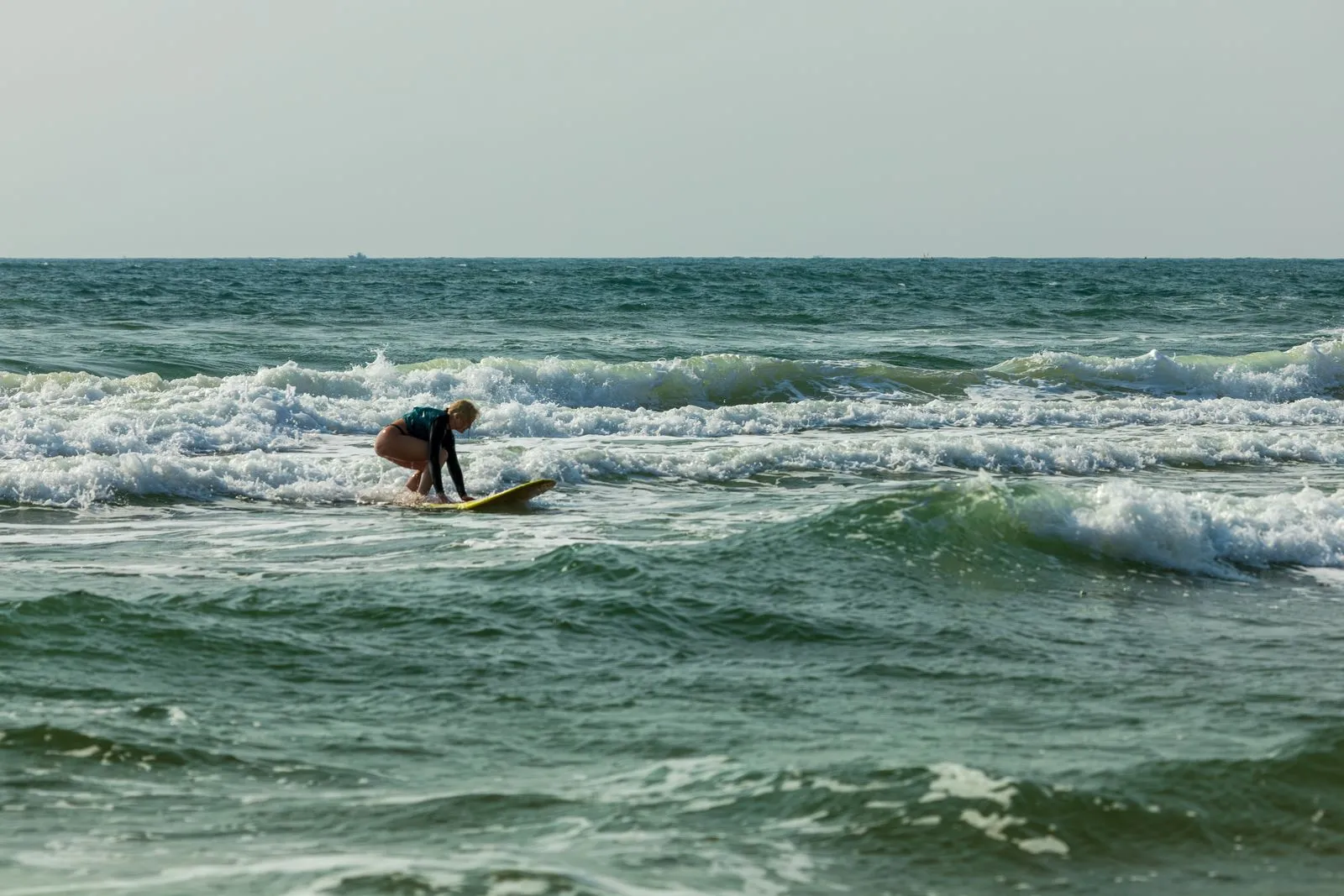
Choosing a surf session in Jacksonville takes more than checking whether waves are breaking. Swell direction and size, wind, tide, sandbars, and local hazards all affect how a beach works on a given day. Conditions can vary along the coast and change between morning and afternoon. Build a habit of checking several sources, then compare what they say with what you see from shore. That approach helps you find a suitable peak and avoid paddling into conditions beyond your ability.
Start With Swell and Wind
Check the swell’s direction, height, and period before you leave. Direction indicates which way the energy is approaching; local beaches and sandbars respond differently depending on that angle. Height alone does not tell you how powerful the surf will feel. A longer-period swell can deliver more force and produce stronger sets, so match the forecast to your experience rather than relying on a single number.
Wind can clean up waves or make them choppy. Offshore wind blows from land toward the ocean and may help shape cleaner faces, but strong offshore conditions can make getting out and returning more difficult. Onshore wind often adds texture and can weaken wave shape. Check the wind direction and strength for the beach and time you plan to surf; conditions can shift during the day.
Read the Tide and Sandbars
Tide changes water depth over the sandbars, which affects where waves break and how steep they feel. One Jacksonville beach may work best around a different tide stage than another, and the same spot can change as the water rises or falls. Use forecasts as a starting point, then watch the surf through a few sets to see where waves are breaking and whether the lineup is shifting.
Look for channels, rip currents, and uneven breaks from a safe place on shore. A rip may appear as a darker, calmer-looking gap between breaking waves, sometimes with foam or debris moving seaward. Do not assume a channel is a safe shortcut to the lineup. If you are unsure about the water movement, choose another area or skip the session, and follow posted warnings and lifeguard guidance.
Compare Beaches and Access
Jacksonville’s coastline offers different beach layouts, and nearby spots may have different exposure to swell, wind, and shifting sand. Before heading out, check beach access rules, parking, lifeguard coverage, and any local notices. A forecast for a broad coastal area may not describe the conditions at your exact access point, so use location-specific reports when available and confirm the view on arrival.
From shore, observe where surfers are entering and exiting, how long they wait between sets, and whether currents move people down the beach. Give other surfers room, avoid swimming areas, and do not paddle across a crowded takeoff zone. If the break looks unfamiliar, watch for a while before entering. A more manageable peak nearby is often a better choice than forcing a session at a busy or challenging spot.
Make a Go-or-No-Go Check
Use a consistent checklist: swell direction and period, wind, tide, surf size, water movement, and your own ability. Check a reliable forecast shortly before leaving, then reassess at the beach because forecasts cannot capture every local change. Bring the equipment suited to the conditions, and let someone know where you plan to surf. If the waves are larger or the currents stronger than expected, adjust your plan.
Do not paddle out alone in unfamiliar or difficult conditions. Respect lifeguard instructions and posted closures, and avoid entering during thunderstorms or when visibility is poor. Surf within your limits, leave the water if conditions deteriorate, and seek local guidance when you cannot confidently read a break. Jax Shortboard School can help surfers build the skills to assess conditions and choose an appropriate session.
Good surf decisions come from combining the forecast with careful observation. Check swell, wind, and tide, study the beach before entering, and choose a spot that fits your ability and the day’s conditions. When anything feels uncertain, wait, ask a knowledgeable local, or sit out. For help developing your surf-reading skills, consider reaching out to a local coach.